Search For Improved Fertility
What does wellness feel like? For women, this is optimal physical, mental, and emotional health relative to age, genetics, and lifestyle. Avoiding or reducing the risk of chronic disease, reducing depression and anxiety, and having a better quality of life is the ultimate goal. Wellness also means better reproductive health, as conditions like infertility affect millions of women. There is a close relationship between vitamin deficiencies, women’s fertility, and general health. Finding and addressing these inadequacies may be the missing link for improved wellness.

Don't skimp on these essential vitamins
Almost all vitamins play a role in health and wellness. Some are particularly helpful for women. Vitamin D, for instance, is essential for hormone management and supporting bone health. There are 8 essential B vitamins, but 3 stand out for supporting women's wellness. Vitamin B9, or folic acid, helps with DNA synthesis and cell production. B12 and B6 combine to improve hormone function, immunity, and cellular metabolism. Iron is a mineral but still an essential nutrient for women. Without iron, women can experience metabolism issues, poor immune systems, and reduced oxygen transport in the blood. Vitamins A and C also play minor roles in maintaining overall health and wellness.
Can vitamin deficiencies lead to fertility challenges?
Women can experience fertility difficulties with the root cause related to vitamin deficiencies. There are vital vitamins and minerals responsible for supporting hormones, reproductive health, or reducing oxidative stress. A vitamin D deficiency is common and may affect ovarian function. Studies also show low vitamin D decreases the success rates of in vitro fertilization (IVF) and increases the risk of chemical pregnancies. Vitamin B6 deficiencies can lead to irregular periods and difficulties conceiving, while B9 increases the risk of miscarriages. While rare, low vitamin C impairs ovarian function, and vitamin A can impact hormones. A combination of vitamin deficiencies can be an underlying reason a woman may have infertility.
Signs you may be vitamin deficient
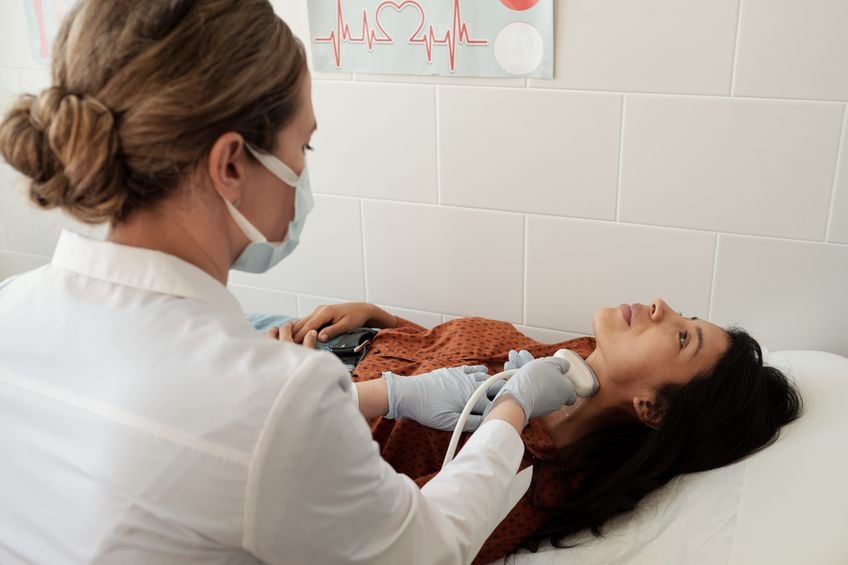
Vitamin deficiencies impact everyone differently. Some women are asymptomatic, while others experience fatigue, weakness, or hair loss. Infertility or reproductive challenges are another sign of vitamin deficiency. Irregular periods and conditions like polycystic ovarian syndrome (PCOS) or endometriosis are common symptoms, and some women may have trouble conceiving. Simply consuming vitamins or supplements is not the ideal solution. Consider a detailed health check and blood test that can pinpoint exact deficiencies affecting health and wellness.
Creating a solution for your specific needs
A pharmacist can work with a doctor to recommend vitamins or supplements to improve overall health. The patient can receive the appropriate dosage for general or reproductive health. Some women have unique challenges when consuming vitamins. Creating a custom solution through compounding increases adherence and overall health. Increasing vitamin intake through diet and supplementation can help but may not be enough to resolve severe fertility problems. See a reproductive specialist for additional testing. Hormone medication, surgery, or strategies like in vitro fertilization (IVF) can improve fertility or increase pregnancy rates.
Transform your health and fertility with vitamins
The path to wellness can be long and requires consistency. Vitamin deficiencies in some of the key vitamins may be responsible for poor health. Women who struggle with infertility or reproductive conditions can tie some of these to poor vitamin intake. See a doctor first for a comprehensive health check, including major vitamins and minerals. This health check can specify the best vitamins and minerals necessary to improve health and recommend the fertility treatments necessary for healthier reproductive function.