
How Do Hormones Affect Pregnancy?
Each step of the reproductive process is guided by hormones. From egg development to ovulation and implantation, each phase depends on precise signaling within the body. When hormone levels fall out of balance, cycles may become irregular and ovulation may not occur consistently. A better understanding of hormones can make the process feel a little less overwhelming.
When cycles go off track
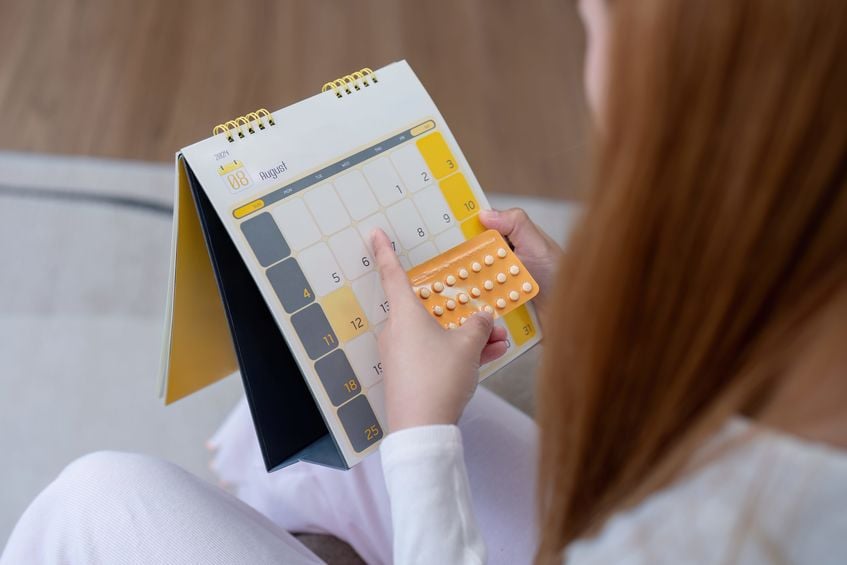
Hormonal imbalances can interfere with regular ovulation. Missed periods, irregular timing, or unpredictable symptoms often signal a disruption in normal hormone patterns. Conditions such as polycystic ovary syndrome (PCOS) or thyroid changes can affect how hormones regulate the cycle. The disruptions can make timing and conception more difficult.
What helps ovulation happen
Several hormones work together to support ovulation. Follicle-stimulating hormone (FSH) helps develop eggs within the ovaries. Luteinizing hormone (LH) triggers the release of a mature egg. Estrogen supports the growth of the uterine lining, while progesterone helps maintain that lining after ovulation. Each hormone plays a specific role in preparing the body for pregnancy.
Helping the body along
Medication can help when the body needs extra support. Ovulation induction treatments encourage egg development and help trigger ovulation more consistently. Injectable hormone therapies can support the development of multiple eggs in certain treatment plans. Treatment plans are often adjusted based on how the body responds over time. Added support can make the process feel more predictable instead of guesswork.
Getting ready for implantation
Hormones also prepare the uterus for implantation. Estrogen helps build a thicker lining, while progesterone supports early pregnancy after ovulation. A stable uterine environment plays an important role in whether implantation can happen successfully. Even small changes in lining quality can affect early stages of pregnancy. Support during the implantation phase can help create better conditions for implantation.
Getting timing right
Precise timing can make a significant difference during treatment. Certain medications help control when ovulation occurs, allowing better coordination with treatment plans. Hormone-regulating medications may also prevent early ovulation, which helps ensure that eggs are released at the right time. Controlled timing can improve the chances of success during assisted treatments.
What changes to expect
Hormone-based treatments can come with temporary side effects. Bloating, mood changes, and fatigue are common during treatment cycles. Side effects often reflect normal shifts in hormone levels rather than long-term concerns. Side effects can vary from cycle to cycle depending on dosage and response. Clear guidance from a medical provider can help manage symptoms and set expectations.
Bringing it all together
Hormones influence every step of conception, from egg development to early pregnancy support. Medication-based treatment can help guide those processes when natural patterns are disrupted. Progress may not always feel immediate, but steady changes can build over time. With the right plan, hormone support can make the path toward pregnancy feel more structured and less uncertain.