Getting Pregnant With PCOS
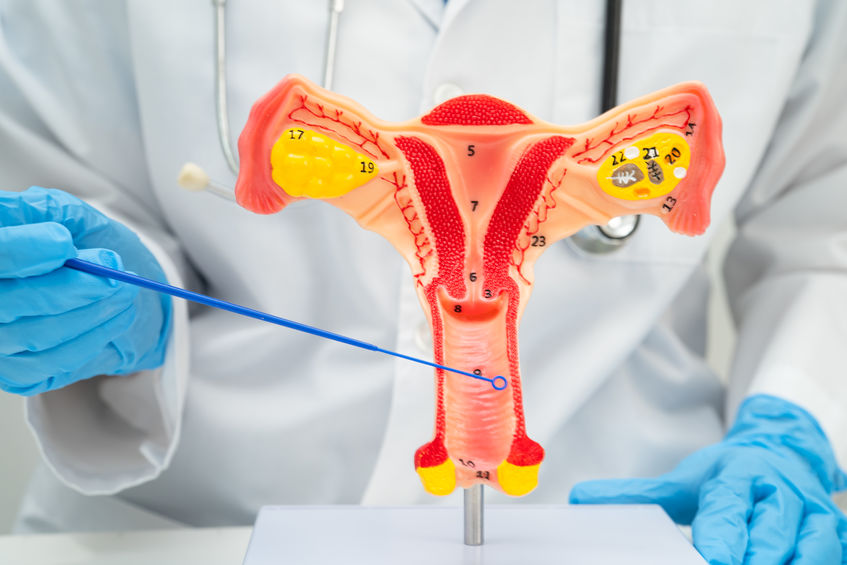
Struggling to get pregnant is not a unique problem. Many women find that conception doesn’t come easily despite persistent efforts. In some cases, an underlying diagnosis of polycystic ovary syndrome (PCOS) is at play. PCOS is a hormonal imbalance that occurs when the ovaries create excess hormones. Women with PCOS often have irregular cycles and unpredictable ovulation, making natural conception much more difficult. Early education about this condition encourages timely action and informed decision-making. Understanding the best evidence-based approaches helps reduce stress and uncertainty during family-building efforts. Here are 3 effective strategies for couples hoping to start or grow a family, despite a PCOS diagnosis.
1. Tracking ovulation regularly
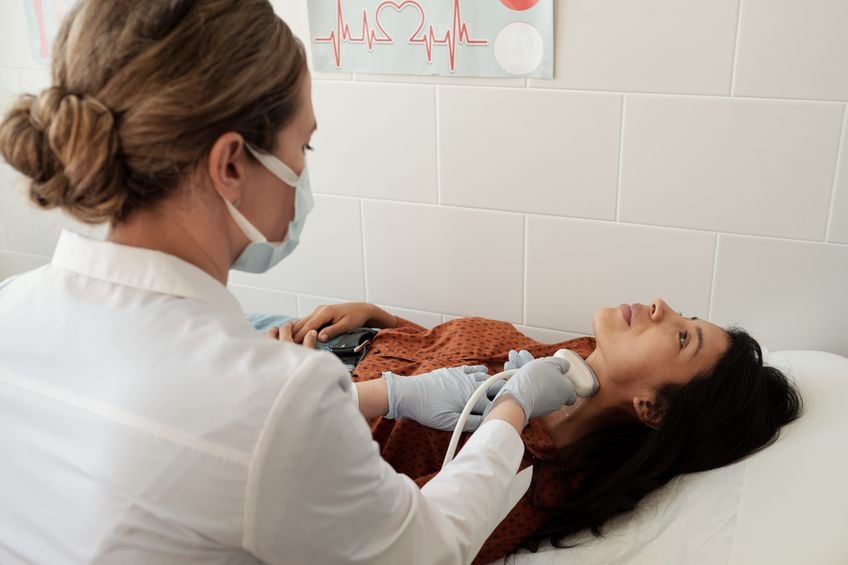
Consistent monitoring of the fertile window creates a stronger foundation for timed conception. PCOS often causes unpredictable cycles, so identifying days when the female partner is most fertile can be difficult. Tracking ovulation may involve using ovulation predictor kits, charting basal body temperature (BBT), or ultrasound monitoring under clinical supervision. Identifying the window during which egg release is most likely can help couples time intercourse to increase the likelihood of successful fertilization. Cycle tracking also provides fertility specialists with valuable data should additional interventions, such as in vitro fertilization (IVF), be required.
2. Optimizing metabolic health
Many women with PCOS also have insulin resistance, creating hormonal imbalances that interfere with consistent egg development. Insulin resistance also increases the chance of type 2 diabetes (T2D), which can pose risks in further pregnancies. A balanced eating pattern, regular exercise, and sufficient sleep can all help stabilize blood sugar, lower the risk of T2D, and reduce inflammation. A weight reduction of just 5-10% is often enough to improve ovulatory function in individuals who have excess weight linked to PCOS. Support from registered dietitians (RDs) and fertility experts offers structured guidance tailored to individual needs.
3. Using targeted medications
If attempts at natural conception have been unsuccessful for some time, prescription medication may be required. Fertility drugs can help encourage egg development and regulate reproductive hormones in women with PCOS. Ovulatory stimulants are often considered first-line treatments, helping induce ovulation by triggering the release of an egg from the ovaries. Couples who move on to more advanced fertility treatment, like IVF, will require additional medications to guarantee optimal egg development, retrieval, and transfer. Medications designed to support glucose regulation and treat T2D in affected individuals can also be added to the mix. Medication plans designed by fertility specialists maximize the chance of a positive outcome.
Pregnancy is possible
A diagnosis of PCOS can make conception more difficult, but not impossible. Consistent monitoring of fertile windows, supportive lifestyle choices, and medication under clinical guidance broaden opportunities for pregnancy success. Early evaluation is critical to maximize the chances of success. Structured plans and evidence-based decisions create a more predictable experience for individuals navigating this diagnosis. Knowledge brings reassurance and renewed momentum during the journey toward conception.