
No Sperm, No Problem
Azoospermia refers to a complete absence of sperm in the ejaculate. The condition affects approximately 1% of the male population and about 10-15% of all males with infertility. Azoospermia can make natural conception more difficult, but advanced fertility treatments offer new possibilities for men who want to start or grow a family. Intracytoplasmic sperm injection (ICSI), a form of assisted reproductive technology (ART), can be used in conjunction with in vitro fertilization (IVF) to help men with azoospermia conceive.
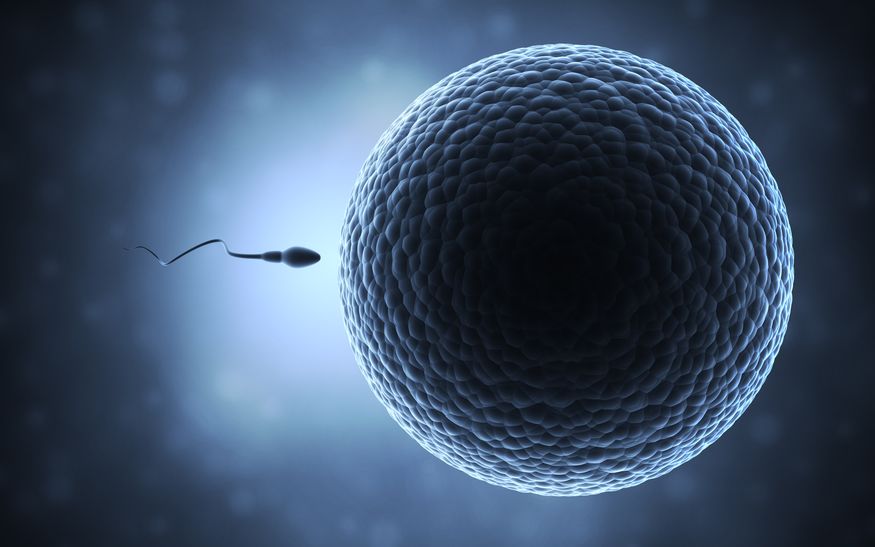
Understanding azoospermia
No sperm in the ejaculate can result from either a blockage or a production issue. Obstructive azoospermia occurs when sperm are made but cannot travel through the reproductive tract. Non-obstructive azoospermia is caused by problems with sperm production in the testes. Diagnosis typically involves hormone testing, genetic screening, and ultrasound imaging of the testicles. In some cases, sperm may still be retrieved directly from the testes or epididymis.
How ICSI works during IVF
Fertilization with low or absent sperm often requires the use of ICSI for conception to occur. During ICSI, a single sperm is injected directly into a mature egg. This method bypasses natural barriers to fertilization, including low motility and abnormal morphology. ICSI is performed in a lab setting during the IVF cycle. After fertilization, embryos remain in the lab for a few days to grow before being transferred to the uterus.
When ICSI is recommended
Intracytoplasmic sperm injection is commonly advised for severe male-factor infertility. Indications typically include azoospermia, low sperm count, poor sperm motility, or abnormal sperm morphology. ICSI must also be used when sperm are retrieved surgically or when previous IVF attempts have failed. Some patients with unexplained infertility may also benefit from ICSI, even when sperm parameters are only slightly abnormal.
Sperm retrieval options
Men with no sperm in the semen may still produce sperm inside the testicles. Surgical procedures such as testicular sperm aspiration (TESA), percutaneous sperm aspiration (PESA), and testicular sperm extraction (TESE) can collect viable sperm. These methods are often paired with ICSI to maximize the chances of fertilization. Sperm quality from surgical retrieval is typically lower, but with ICSI, only a single sperm is needed for conception.
ICSI success and considerations
Fertilization rates with ICSI are generally higher than standard IVF rates in cases of male-factor infertility. However, success also depends on egg quality, maternal age, and the overall health of the couple. ICSI does not guarantee pregnancy, but the procedure can significantly increase the odds of success when sperm issues are at play. Genetic counseling may be recommended before treatment, especially when azoospermia is linked to a chromosomal condition.
Exploring next steps
For couples facing male infertility, ICSI has become a leading solution. For men diagnosed with azoospermia, this approach allows for fertilization even with very limited sperm. Proper diagnosis, surgical retrieval if needed, and collaboration with a fertility specialist are key parts of a successful plan to achieve pregnancy.