
Is Needle-Free Fertility Treatment Possible?
Women who decide to undergo fertility treatment often understand that medication will be required to increase the chances of success. While some fertility regimens include needles, others begin with pills that are much easier to take. Understanding the differences between oral medications and injectable treatments can help guide the next steps in the fertility journey.
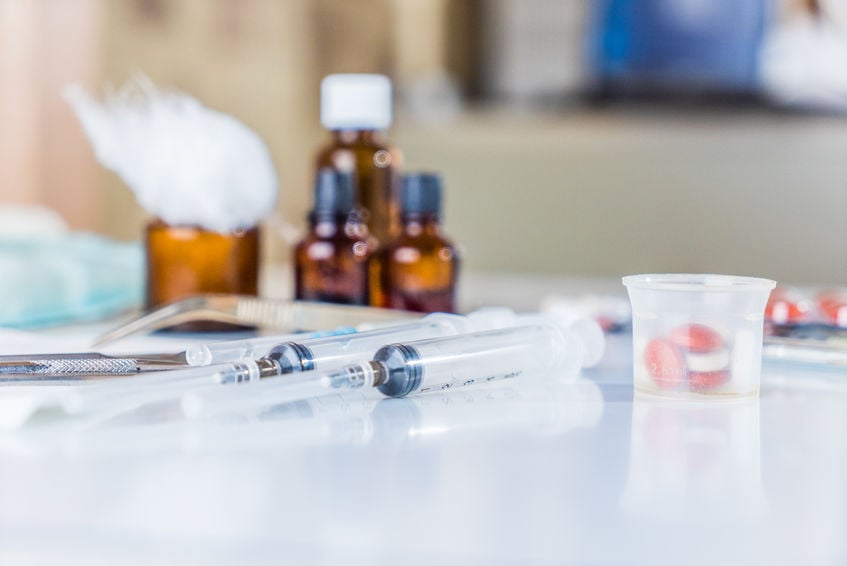
Medications by mouth
Oral fertility drugs are typically used to stimulate ovulation in individuals who are not ovulating regularly. This class of medications, known as ovulatory stimulants, works by influencing hormones released by the brain, which signal the ovaries to grow and release an egg. Sometimes, multiple mature eggs can develop during a single cycle, increasing the likelihood of multiples, such as twins. Ovulation often occurs about 5-10 days after the last pill is taken. Oral medications are usually taken for 5 days early in the menstrual cycle and are often the first step in treatment due to affordability, ease of use, and low risk for side effects or complications.
Benefits and limitations of pills
Oral fertility medications are noninvasive, with minimal discomfort and lower cost compared to injectable drugs. Most people tolerate the medication well and can take the pills without much disruption to daily life. However, oral medications may not be strong enough to trigger ovulation in individuals with more complex fertility issues. The response rate may also be lower in cases involving polycystic ovary syndrome (PCOS) or unexplained infertility. If pregnancy does not occur after a few cycles of treatment with ovulatory stimulants, the treatment plan may need to shift to injectable options.
Time to talk shots
Injectable fertility medications are typically used during intrauterine insemination (IUI) or in vitro fertilization (IVF) to stimulate multiple follicles during a cycle. These medications contain hormones such as follicle-stimulating hormone (FSH) or luteinizing hormone (LH) that directly stimulate the ovaries. Injections are more potent than oral options and allow for greater control of the cycle, especially when used in combination with ultrasound monitoring and hormone bloodwork.
Injections vs pills: key differences
The biggest difference between oral and injectable fertility treatments lies in potency and precision. Injections can be tailored to the individual's response in real-time, often resulting in higher egg counts and increased pregnancy rates. However, injectable medications require daily administration, often in the abdomen or thigh, and must be timed precisely. Side effects can include bloating, mood changes, and a slightly increased risk of multiple pregnancies or ovarian hyperstimulation syndrome (OHSS). Pills are less effective but can work in some cases of infertility. Hot flashes, bloating, and breast tenderness are possible side effects, but occur less commonly with oral fertility medications.
Do all treatments require shots?
Not all fertility treatments involve injections. Many people conceive using oral medications alone, especially if the cause of infertility is mild or related to irregular ovulation. Women who have a fear of needles or busy schedules that make daily injections difficult can also talk to the doctor about using oral medications only. Injections may be recommended when oral medications are ineffective or when more advanced fertility treatments are necessary. A fertility doctor can recommend the most suitable approach based on a patient's personal history, test results, and goals.