
What Is AMH Testing?
Anti-müllerian hormone (AMH) is a protein produced by small follicles within the ovaries. AMH testing is used to evaluate ovarian reserve in women attempting to get pregnant. Higher AMH levels generally indicate a larger quantity of remaining eggs, while lower levels suggest diminished reserve. AMH testing has become a common tool in fertility evaluation because results remain relatively stable throughout the menstrual cycle. A clear interpretation of AMH results can help guide reproductive planning and decision-making.
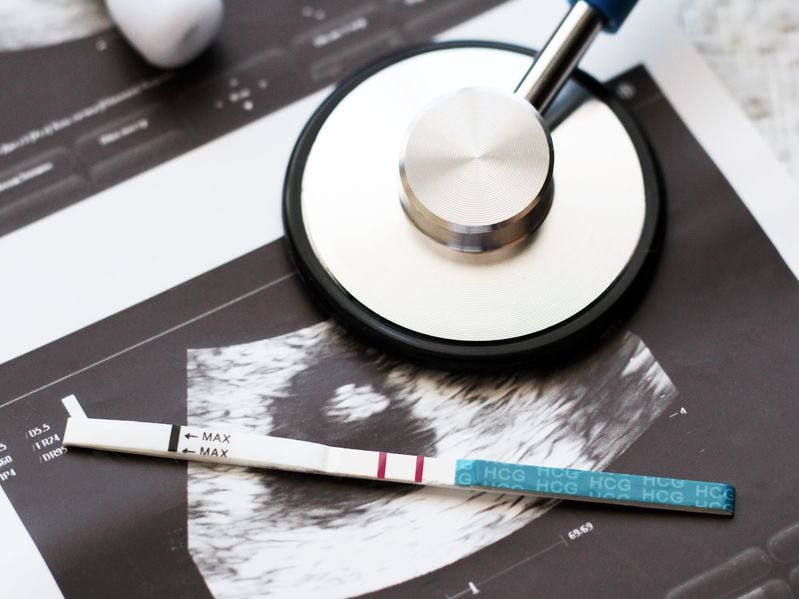
AMH and fertility potential
Both egg quality and quantity decline with time, but the decline isn’t always linear. To best assess a woman’s current egg supply, an AMH test can be done. This test measures the number of eggs remaining but does not provide information on remaining egg quality or the actual ability to conceive. AMH levels are measured through a simple blood test. Clinicians often use AMH alongside other markers such as follicle-stimulating hormone (FSH) and ultrasound findings to provide a comprehensive assessment of fertility.
Who should consider testing?
Further evaluation is often recommended for women over age 35 who have attempted conception for 6 months without success. Women under age 35 may consider testing after 12 months of unsuccessful attempts. Earlier testing may be appropriate for individuals with irregular cycles, known ovarian conditions, or prior ovarian surgery. A family history of early menopause may also warrant earlier assessment. Proactive testing supports informed family planning.
Understanding AMH results
Anti-müllerian hormone levels are typically categorized into general ranges that help guide interpretation. Values above 3.0ng/mL are often considered high and may be associated with conditions such as polycystic ovary syndrome (PCOS) or the use of certain medications. Levels between 1.0 and 3.0ng/mL are generally considered normal and suggest average ovarian reserve. Levels between 0.5 and 1.0ng/mL indicate low reserve, while levels below 0.5ng/mL suggest very low reserve that may impact the ability to conceive. These ranges are approximate and should always be interpreted within the context of age and clinical history.
Impact on conception options
While AMH results can be helpful, results aren’t always black and white. Normal AMH levels do not always guarantee natural conception, and low levels do not eliminate the possibility of pregnancy. Rather, lower AMH may indicate a shorter reproductive window and should prompt earlier intervention if pregnancy does not occur. In some cases, fertility treatments such as in vitro fertilization (IVF)may be recommended based on AMH results and overall evaluation of the patient’s reproductive status. AMH can also help predict response to ovarian stimulation during treatment cycles. Individualized care plans provide the most effective path forward.
Planning ahead with confidence
Low AMH levels can signal reduced ovarian reserve and potential challenges with conception. Early awareness allows for proactive decisions such as fertility preservation or expedited treatment. Advances in reproductive medicine continue to expand available options for many individuals and couples. With AMH and ongoing support from a fertility specialist, patients can make informed and confident decisions about future fertility plans.