
Can Gut Health Affect Fertility?
Many people think of the gut as a digestive organ, but the microbiome influences far more than digestion alone. Trillions of bacteria living in the digestive tract help regulate inflammation, support nutrient absorption, and communicate with hormone systems. The microbiome also interacts with reproductive health and brain function, creating a connection between gut health, fertility, and mood that researchers continue to explore.
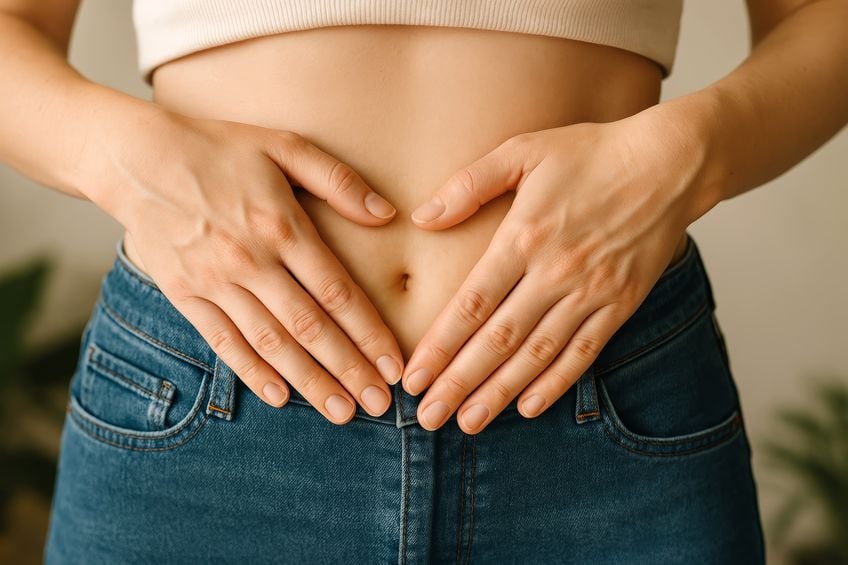
More than digestion
The gut does far more than break down food. The microbiome helps regulate inflammation, supports immune health, assists with nutrient absorption, and interacts with hormone systems throughout the body. Because reproductive hormones and brain chemistry are closely connected to many of these processes, gut health may influence both fertility and emotional well-being in ways many people do not realize.
The hormone connection
The relationship between the gut and fertility often comes back to hormones. Certain gut bacteria help process and eliminate excess estrogen, an important part of maintaining hormonal balance. When the microbiome is disrupted, hormone regulation may also be affected. For women already dealing with hormone-related concerns, gut health can become another piece of a much larger puzzle.
Nutrients Matter, Too
The digestive system does more than process food. Digestion also helps the body absorb nutrients such as folate, iron, and vitamin D, which support overall health and reproductive function. Because the microbiome influences digestion and nutrient absorption, gut health may affect how efficiently the body uses nutrients. For people trying to support fertility, digestive health is another factor that should not be overlooked.
When stress takes a toll
The gut and brain are in constant communication. In fact, many of the chemicals involved in mood regulation are produced or influenced by the digestive system. Changes in gut health may affect stress levels, mood, and emotional well-being, while ongoing stress can also influence hormone balance. The relationship between stress and gut health may help explain why digestive symptoms, mood changes, and hormone-related concerns sometimes occur at the same time.
How to support gut health
While no single food or supplement can solve hormone-related concerns, daily habits can influence the health of the microbiome. Eating a variety of fiber-rich foods helps nourish beneficial bacteria, while fermented foods such as yogurt, kefir, kimchi, and sauerkraut can help support microbial diversity. Sleep, stress management, and regular physical activity also play a role. Because gut health is shaped by many factors, small and consistent habits often matter more than quick fixes.
Why gut health matters
Fertility and mood are influenced by many factors, which is why no single habit, food, or supplement provides all the answers. The gut microbiome is just a single part of a much larger picture, but a growing understanding of the connection has encouraged researchers to look beyond reproductive organs alone. For people navigating fertility challenges, mood changes, or both, supporting gut health may be another way to support better health.