Can Hormones Influence Skincare?
Typically, when people think about skincare, skin type is usually the first category that comes to mind. Thanks to marketing and basic dermatological understanding, most individuals are aware of the core categories: dry, oily, combination, normal, and sensitive or troubled skin. While these factors are important, the reality is that skincare can be influenced by a variety of factors. Hormones can influence how well products work. Likewise, fluctuating levels, especially for women, can also impact product function. Knowing how to make minor adjustments to skincare routines based on hormonal changes can help people build a flexible strategy that works.
Hormones and skin health
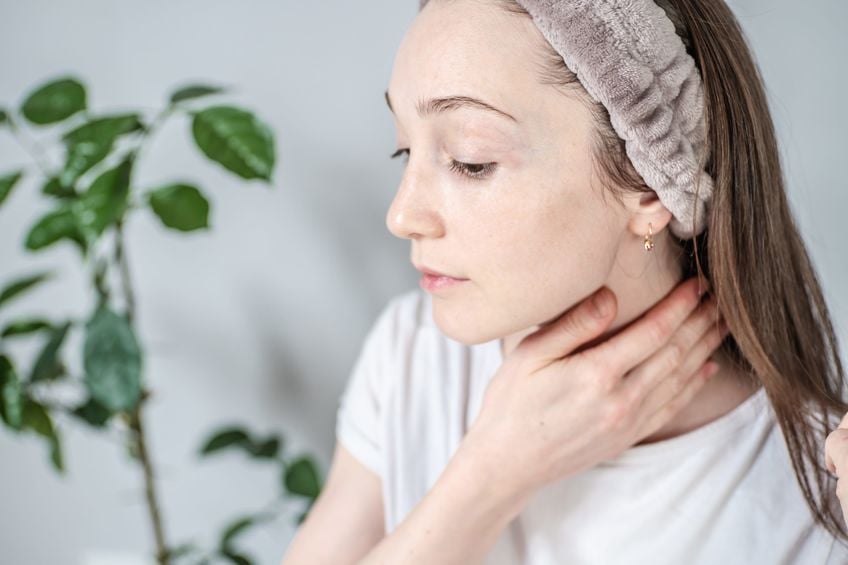
While multiple hormones exist in the body, 4 are specifically known for influencing skin health. Testosterone can trigger oil production in both men and women. Spikes during puberty and even in the menstrual cycle can result in excess oil that clogs pores and leads to cystic breakouts. Estrogen is credited with collagen production and hydration. Specifically for women, reduced amounts in perimenopause and menopause can cause the skin to become thinner, drier, and more likely to wrinkle. Progesterone can also encourage oiliness and breakouts in women, especially during the second half of the menstrual cycle. Finally, rising cortisol levels in all genders can create inflammation, damage existing collagen in the skin, and encourage eczema, psoriasis, or even rosacea.
Making necessary changes
Because hormones can influence how the skin behaves, the best option is to create a flexible routine. Some ingredients are universally well-received and can be baseline options for all skin types. For example, hyaluronic acid is a great humectant that attracts moisture. Niacinamide helps regulate oil production and can reduce the appearance of pores. Likewise, ceramides are ideal for protecting the skin’s natural barrier. However, when changes are noticeable, consider adjusting that routine by using products containing targeted ingredients.
How to adjust for oily skin
People with acne-prone or oily skin may find that occasionally, pores appear larger, oil production increases, and breakouts might occur. While products should still be gentle, consider switching to a cleanser that includes salicylic acid to help remove excess sebum. Similarly, avoid oil-based products, which can worsen issues. Hyaluronic acid is still safe to use in moisturizers, cleansers, and serums. However, niacinamide should be prioritized because this ingredient can help reduce inflammation and control oil.
Managing dry skin
Some people naturally have dry skin, not just during perimenopause and menopause or certain times of the year. These individuals should focus on moisture-rich products that prioritize hyaluronic acid or ceramides to restore the skin’s natural barrier. Focusing on boosting cellular turnover can help to keep skin looking supple. Retinol is a proven ingredient for boosting collagen production. However, for individuals with sensitive skin, bakuchiol is a gentler, plant-based alternative that also supports cellular turnover.
Customization is the goal
Skin changes are quite normal, especially as people age. Making minor adjustments to products, prioritizing specific ingredients, and even removing or adding specific skincare steps can all be effective ways to adapt a routine to hormone-influenced changes. When in doubt, or if skin problems are persistent, consider speaking with a dermatologist.