Extra Help On The Path To Pregnancy
Many couples begin the journey of trying to have a baby believing the road ahead will be easy. When conception doesn’t happen right away, feelings of frustration can arise. Although many couples will go on to successfully get pregnant without any interventions, in some cases, fertility assistance may be needed. Knowing when to meet with a fertility specialist can help parents-to-be move forward on the pathway to parenthood with confidence. Here are 3 signs that should prompt a specialist visit.
1. Difficulty conceiving
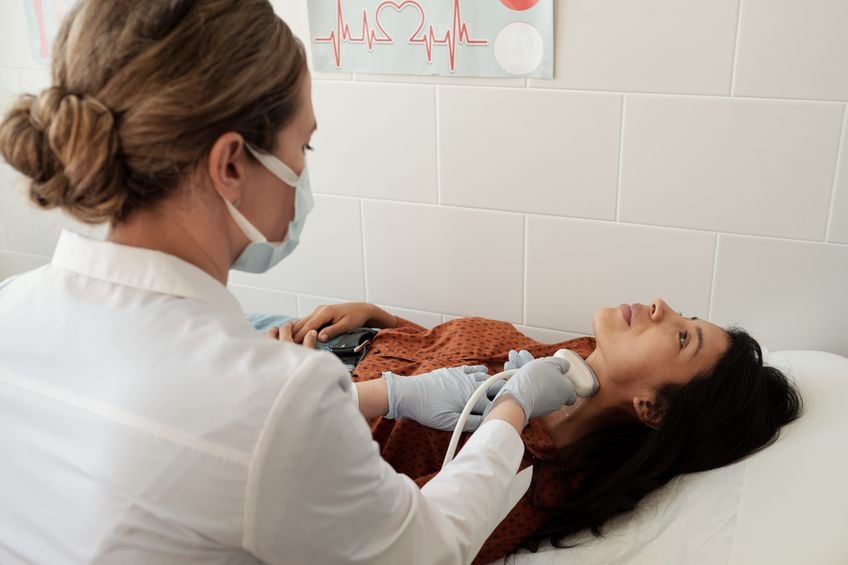
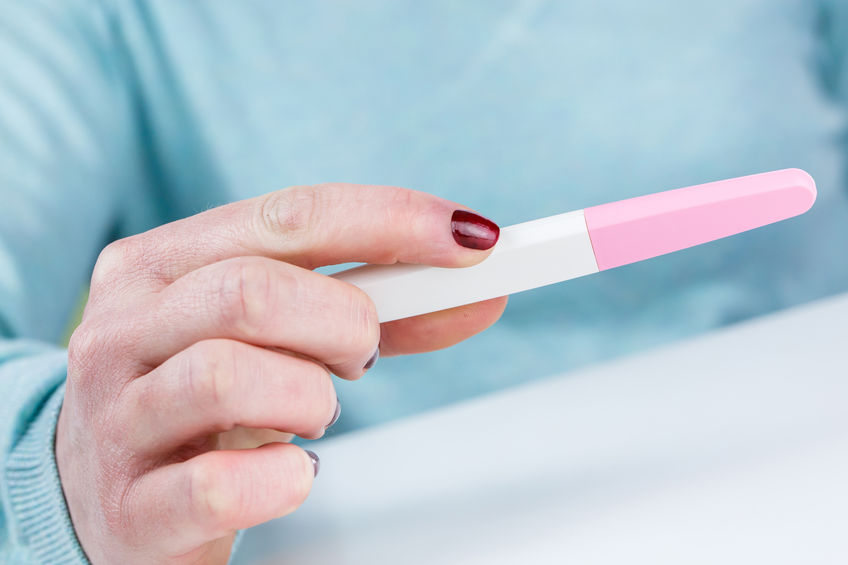
Persistent attempts to get pregnant without success often warrant a visit to a fertility specialist. For women under 35, most doctors recommend trying for at least 12 months before scheduling an appointment. Women who are over 35 are typically prompted to seek help after 6 months of unsuccessful attempts to get pregnant. Age affects ovarian reserve, egg quality, and hormonal balance, underscoring the importance of timing in reproductive success. A fertility specialist can order testing for ovarian function, ensure hormone levels are within normal limits, and perform an ultrasound to check for any blockages. In most cases, a semen analysis (SA) will also be ordered for the male partner. Scheduling an appointment sooner rather than later can help identify potential barriers to conception and expand family planning options.
2. Irregular menstrual cycles
Reliable ovulation strongly supports natural conception. An irregular cycle can signal reproductive system challenges requiring expert evaluation. Long intervals between periods, missed periods, or irregular periods may indicate a hormonal imbalance. Conditions such as polycystic ovary syndrome (PCOS) and thyroid disorders can affect cycle regularity and reduce ovulation frequency. Seeing a specialist for bloodwork and targeted ultrasound can reveal patterns affecting follicle development and hormonal signaling. In some cases, the fertility specialist can prescribe medication to get the cycle back on track and encourage ovulation, increasing the chances of pregnancy.
3. Known reproductive conditions
Preexisting diagnoses related to reproductive health often justify an accelerated referral to a fertility specialist. Structural abnormalities, endometriosis, PCOS, fibroids, and pelvic inflammatory disease (PID) can all negatively impact the ability to conceive. Comprehensive testing from a fertility specialist can determine the extent of the condition and guide tailored recommendations. Treatment options may include medication, surgery, or lifestyle changes. Timely guidance helps reduce ongoing uncertainty and creates a clearer timeline for achieving pregnancy.
Help is available
Knowing when to seek help from a fertility specialist can mean the difference between months or years of struggling alone and a solid plan for getting pregnant. With help, any underlying conditions or other barriers to pregnancy can be promptly addressed. Earlier assessment increases available treatment pathways and enhances overall success rates. If natural attempts at conception haven’t been successful, cycles are irregular, or a woman has a known reproductive condition, seek help sooner rather than later. Knowledge supports empowered decision-making and the ability to build a family.