Healthy Lifestyle Habits For IVF Success
A successful in vitro fertilization (IVF) journey involves more than medication and monitoring. Daily habits can influence egg quality, hormone balance, and implantation outcomes. While healthy routines are encouraged, avoiding certain lifestyle choices is equally important. Steering clear of these 4 habits can improve the chances of a positive pregnancy test.
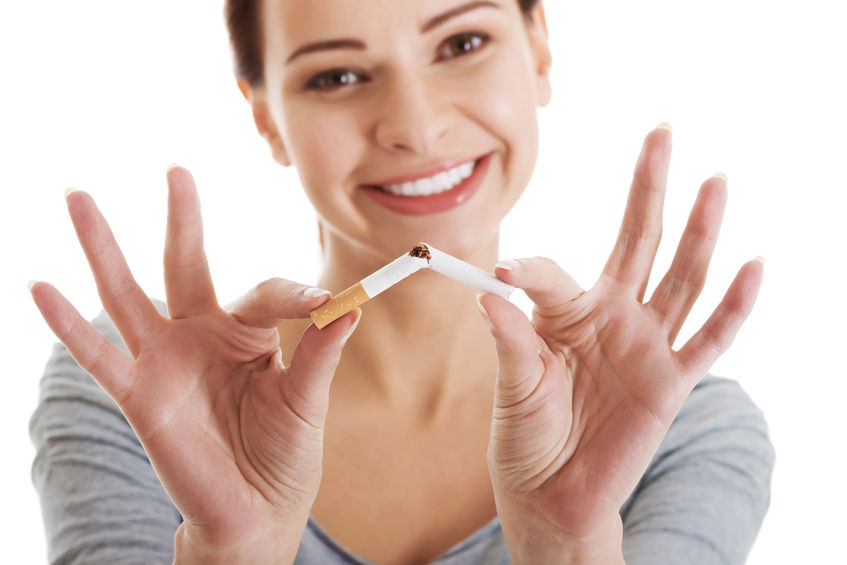
1. Skip tobacco in all forms
Cigarette smoking reduces fertility in both men and women. In females, tobacco impacts ovarian function and can lower the number of quality eggs retrieved. In males, smoking can reduce sperm count and motility. Even secondhand smoke may interfere with reproductive hormones and embryo development. Vaping and nicotine products also pose risks, so all forms of tobacco should be avoided before and during IVF treatment for the best chances of success.
2. No alcohol is the safest choice
Even moderate drinking may disrupt hormonal signaling and affect ovulation. For males, alcohol can impair sperm quality and lead to deoxyribonucleic acid (DNA) fragmentation. While the occasional drink may seem harmless, most reproductive endocrinologists recommend complete abstinence during IVF. Alcohol can also interact with fertility medications and increase the likelihood of side effects. An alcohol-free approach offers a safer environment for embryo development and is a good habit to start, since drinking during pregnancy should be avoided.
3. Cut down on intense exercise
While moderate exercise benefits circulation and reduces stress, excessive or high-impact workouts may interfere with implantation. Strenuous activities can impact hormone levels or affect uterine blood flow. Exercises like running, cycling, or hot yoga may also increase core body temperature, which is not ideal during embryo transfer or in the early stages of pregnancy. Fertility clinics often suggest gentle activity such as walking, stretching, or light strength training.
4. Avoid high caffeine consumption
Wondering if a daily cup of coffee is acceptable during fertility treatment? While moderate intake is acceptable, consuming more than 300mg of caffeine per day may negatively impact IVF outcomes. High levels can narrow blood vessels and reduce blood flow to reproductive organs. Caffeine may also interfere with nutrient absorption and hormone regulation. A small cup of coffee or tea daily is typically considered safe, but energy drinks, espresso, and soda can easily add up to exceed recommended limits. Reading labels and tracking intake can help keep caffeine consumption in check. Still in need of a pick-me-up once the coffee has run out? Focus on good nutrition and sufficient sleep to optimize energy levels during the IVF cycle.
Protect progress by making smart choices
In vitro fertilization success depends on many factors, but daily habits can either support or hinder progress. Skipping tobacco, alcohol, high-intensity workouts, and excess caffeine removes potential barriers to success. Focusing on what helps the body stay balanced, nourished, and calm will contribute to a smoother experience throughout.